Choosing the right Die casting machine is an important decision. The machine you select can have a direct impact on your production speed, casting quality, operating costs and long-term productivity.
But with different machine types, tonnages and configurations available, it can be difficult to know where to start.
The good news? You don’t have to make the decision based on tonnage or price alone.
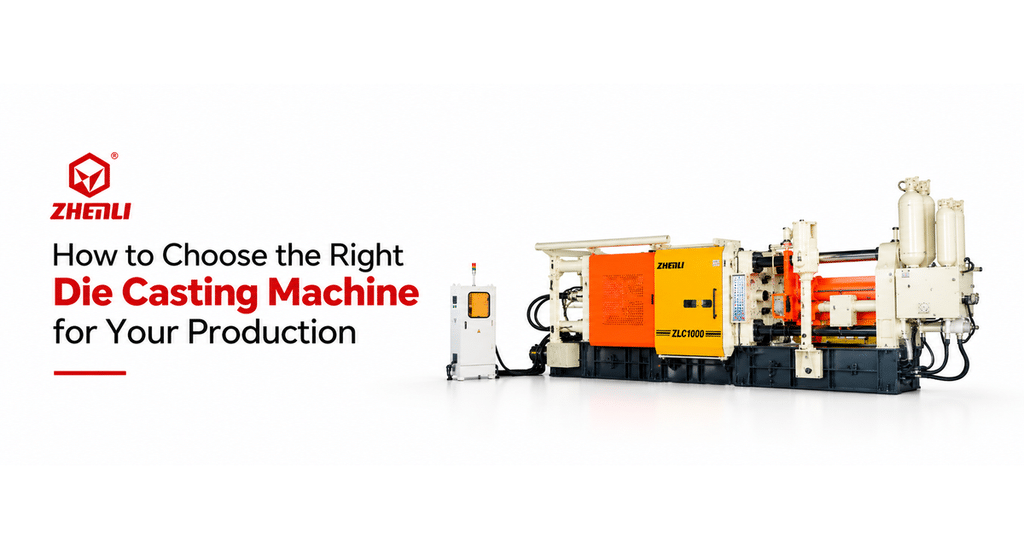
Here are the key things to consider when choosing the right Die casting machine for your production.
1. Start With the Metal You Are Casting
The type of metal is one of the first things to consider.
Aluminium, zinc, magnesium and other alloys have different casting requirements, so the machine needs to match the material.
For example:
- Aluminium: Usually requires a Cold chamber Die casting machine.
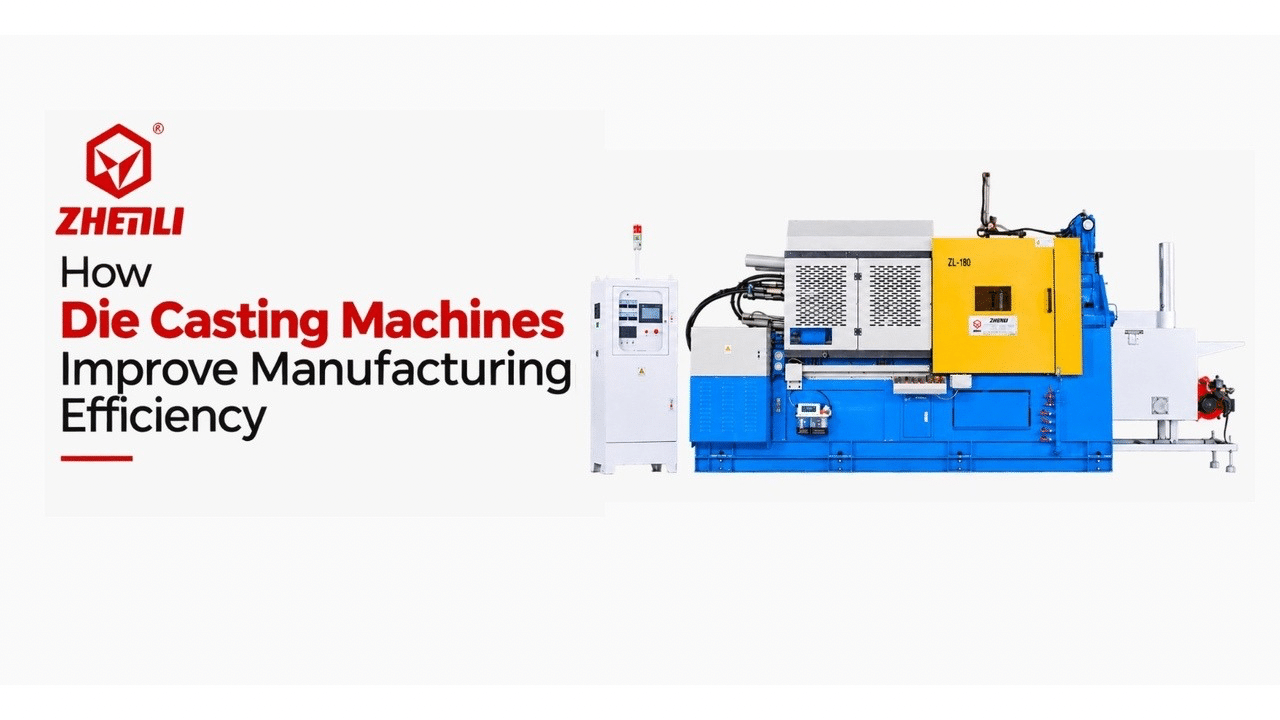
- Zinc: Commonly processed using Hot chamber Die casting machines.
- Magnesium: Requires machines and processes designed for magnesium casting applications.
Understanding your alloy helps narrow down the right machine from the beginning.
2. Hot Chamber or Cold Chamber?
This is one of the most important decisions when selecting a Die casting machine.
Hot Chamber Die Casting Machines
Hot chamber machines are commonly used for zinc and other suitable alloys. Since the injection system works with the molten metal, these machines can offer fast cycle times and are well suited for high-volume production.
Cold Chamber Die Casting Machines
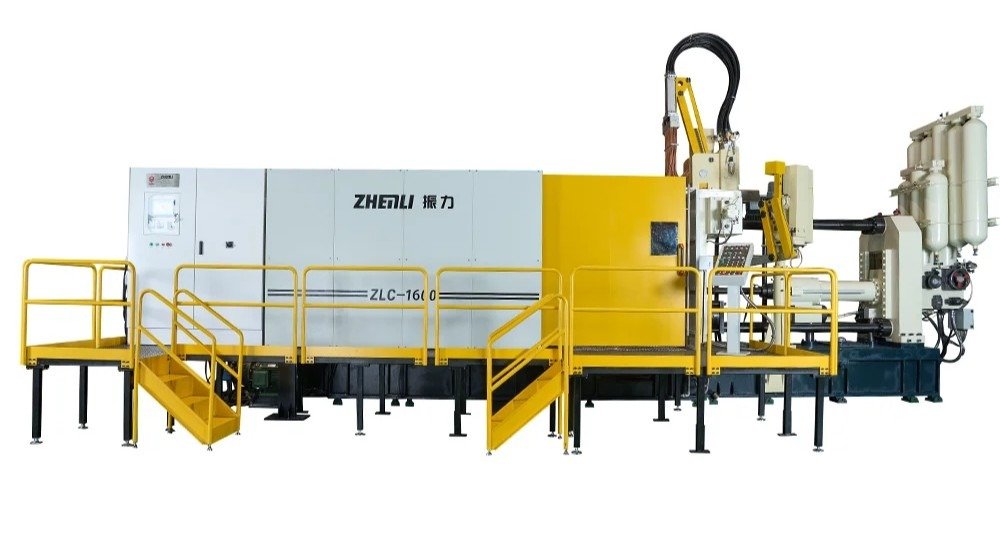
Cold chamber machines are widely used for aluminium and other alloys that require the metal to be melted separately before injection.
They are commonly used for components such as:
- Automotive parts
- Motor housings
- Electrical components
- Industrial components
- Aluminium housings
- Engineering parts
The right choice depends mainly on your alloy, component and production requirements.
3. Get the Right Clamping Force
More tonnage doesn’t automatically mean a better machine.
The required clamping force depends on factors such as the projected area of the casting, Die design, injection pressure and number of cavities.
If the machine is undersized, you may face problems such as flash and inconsistent castings.
If it is significantly oversized, you may end up paying more for equipment and operating costs than necessary.
The goal is to find the right tonnage for your application.
4. Check Your Die Size
Your Die and machine need to work together.
Before choosing a machine, check:
- Die dimensions
- Tie-bar spacing
- Die height
- Platen size
- Opening stroke
- Ejector requirements
A machine may have enough clamping force but still not be suitable if your Die doesn’t fit properly.
So, always check the machine specifications against your actual Die dimensions.
5. Think About Your Production Volume
How many components do you need to produce?
This is another important question.
If you are running high-volume production, cycle time, machine uptime and automation become increasingly important.
For lower-volume or varied production, flexibility and easy setup may be more important.
Also think beyond today’s requirements.
If your production is expected to grow, choosing a machine with some room for future requirements can help you avoid another major investment later.
6. Don’t Overlook Injection Performance
The injection system plays a major role in the final quality of your casting.
Injection speed, pressure and control can affect:
- Filling of the Die
- Surface finish
- Dimensional accuracy
- Porosity
- Cycle time
- Overall casting consistency
When comparing machines, don’t look at tonnage alone. Look at the complete injection system and its capabilities.
7. Consider Automation From the Start
Automation can make your production faster, more consistent and easier to manage.
Depending on your application, you may need:
- Auto ladling systems
- Die spraying systems
- Part extraction systems
- Diecoat mixing units
- Melting furnaces
- Trimming and downstream automation
Planning automation along with your Die casting machine can help you build a more efficient production cell instead of adding equipment later.
8. Look at Energy and Operating Costs
The purchase price is only one part of the investment.
Think about the machine’s overall operating cost, including:
Energy + Maintenance + Spare Parts + Downtime + Labour + Productivity
A machine that delivers consistent production with lower downtime can make a significant difference to your overall cost per component.
That’s why it is important to look at the total cost of ownership, not just the initial machine price.
9. After-Sales Support Matters
A Die casting machine is a long-term investment. Good technical support can make a big difference once the machine is installed.
Before making your decision, ask:
- Is installation and commissioning support available?
- Is operator training provided?
- How easily can spare parts be sourced?
- Is technical troubleshooting available?
- Can the supplier support future requirements?
Having the right support partner can make machine installation and day-to-day production much smoother.
10. Choose With the Future in Mind
Your production requirements today may not be the same a few years from now.
Before finalising a machine, consider:
- Are production volumes likely to increase?
- Will you introduce new components?
- Will you need more automation?
- Could you move to larger Dies?
- Will your material requirements change?
A good Die casting machine should not only solve today’s production requirements but also support your plans for tomorrow.
A Quick Checklist Before You Buy
Before choosing a Die casting machine, make sure you know:
- What alloy are you casting?
- Do you need a Hot chamber or Cold chamber machine?
- What clamping force do you need?
- What are your Die dimensions?
- What production volume are you targeting?
- What cycle time do you need?
- What level of automation is required?
- What peripheral equipment will you need?
- What are the expected operating costs?
- What after-sales support is available?
The Right Machine Starts With the Right Questions
Choosing a Die casting machine isn’t simply about selecting the highest tonnage or the lowest price. It’s about finding the right balance between casting requirements, productivity, quality, automation and long-term operating costs.
At Zhenli Machinery & Automation, we work with manufacturers to understand their production requirements and help them identify suitable Die casting and automation solutions.
From Hot chamber and Cold chamber Die casting machines to peripheral equipment and complete production solutions, the focus is on helping manufacturers build efficient and reliable Die casting operations.
Looking for the Right Die Casting Machine?
Share your alloy, component details, Die size and production requirements with the Zhenli Machinery & Automation team to discuss the right solution for your application.